How the Skin and Bones Font Helped My Brand Feel More Polished
I’ve always believed that small details can make a big difference when it comes to branding. As someone who runs an online shop selling handmade candles, I know how important it is for everything from my packaging to my Instagram posts to look cohesive and professional. Recently, I decided it was time to give my brand visuals a refresh—and one of the simplest yet most impactful changes I made was choosing the Skin and Bones font.
A Simple Moment That Changed Everything
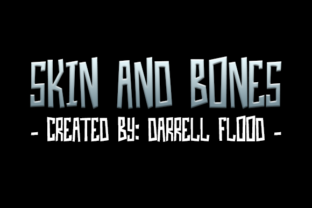
It all started when I was preparing new labels for a batch of lavender soy candles. The old design felt flat and generic, and I wanted something that would pop and reflect the whimsical, artisanal vibe of my products. After spending hours browsing through decorative fonts, I stumbled upon Skin and Bones by Darrell Flood. Its playful curves and unique structure immediately caught my eye. It wasn’t just a typeface; it felt like a personality waiting to be unleashed on my designs.
What Makes Skin and Bones Special?
As a decorative font, Skin and Bones brings a sense of charm and character to any project. It has a hand-drawn quality with clean lines that balance fun and professionalism. The letters are spaced out in a way that makes them easy to read while still feeling artistic. This makes it perfect for short phrases or standout text where you want to create visual interest without overwhelming your audience.
Using Skin and Bones Across Brand Materials
Once I downloaded Skin and Bones, I began using it across various parts of my business:
- Logo Design: I updated my logo with Skin and Bones as the main headline font. It added a personal touch that made my brand feel more approachable and memorable.
- Product Labels: For candle jars and boxes, I used Skin and Bones to highlight the scent names and key features. It gave my labels a fresh, modern aesthetic that stood out on shelves and in photos.
- Social Media Graphics: On Instagram, I incorporated Skin and Bones into my post headers and promotional banners. It helped my content feel more creative and aligned with the handmade nature of my products.
- Thank-You Cards: I printed custom thank-you cards using this font for the greeting. It felt special and elevated the customer experience, which is crucial for building loyalty.
- Website Banners: I redesigned my homepage with Skin and Bones as the hero font. It created a warm, inviting first impression that encouraged visitors to explore further.
Typography as Part of Brand Identity
I quickly realized that typography isn’t just about looking good—it’s part of how people perceive your brand. Skin and Bones brought a level of premium design to my work that I hadn’t achieved before. Even though it’s a decorative font, it doesn’t compromise readability, especially when used correctly. Choosing the right typeface made my materials feel more intentional and trustworthy.
Why Skin and Bones Works for Business Owners Like Me
Small businesses often wear many hats, and we don’t always have the budget or resources for high-end graphic designers. Fonts like Skin and Bones allow us to elevate our look with minimal effort. Here’s what it did for me:
- Created Visual Consistency: Using the same font across all my materials—from packaging to social media—helped unify my brand identity. Customers now recognize the style instantly.
- Improved First Impressions: Typography plays a huge role in how people react to your content within seconds. Skin and Bones adds warmth and creativity, making my brand feel more personable and thoughtful.
- Boosted Customer Engagement: When I posted a new product image using Skin and Bones, I noticed more comments and shares. People responded to the visual appeal and the overall story behind the design.
- Made Marketing Easier: With a strong display font, I could create compelling headlines and call-to-action buttons that drew attention without needing complex graphics.
Where to Use Skin and Bones Best
While Skin and Bones is versatile, it shines brightest in specific areas. I found it works best for:
- Headlines and taglines
- Product titles and descriptions
- Logo accents or standalone logos
- Instagram stories and Pinterest pins
- Banner text and promotional signage
- Stickers and packaging highlights
For body copy or long paragraphs, I stick to a clean sans serif font. But for anything that needs to stand out, Skin and Bones is my go-to choice.
Font Pairing Tips for Real-World Use
One thing I learned is that pairing a decorative font like Skin and Bones with a more neutral font helps maintain balance. For example, I pair it with Montserrat or Lato for digital content. This gives my designs a mix of creativity and clarity, ensuring they’re both visually appealing and easy to read.
On print materials, I prefer to use it alongside a classic serif font like Playfair Display. The contrast between the whimsy of Skin and Bones and the elegance of a serif creates a beautiful editorial feel that customers love.
Readability on Different Surfaces
Even with its playful look, Skin and Bones is surprisingly readable. Here’s how I adapted it for different uses:
- Small Labels: I used a slightly bolder weight and larger point size to ensure legibility on tiny candle tags.
- Mobile Screens: For Instagram Stories and website headers, I tested the font at smaller sizes and found it still held up well, especially against solid backgrounds.
- Printed Packaging: The font looked great on matte paper and glossy jars alike. I made sure to choose the appropriate file format (usually OTF or TTF) for crisp printing.
- Thumbnails and Mockups: When creating thumbnails for Etsy or Facebook ads, I kept the text short and centered, letting Skin and Bones do the storytelling visually.
Before You Start: Check the Details
If you're thinking about using Skin and Bones for your own brand, here are some practical things to consider before finalizing your designs:
- File Formats: Make sure the font includes formats compatible with your design tools—like OTF or TTF for Canva or Photoshop.
- Commercial Licensing: Since I sell physical products, I checked that the font license allows for commercial use on merchandise, packaging, and digital downloads.
- Alternates and Ligatures: These little extras can add uniqueness to your text. I played around with them to find the right fit for my branding voice.
- Language Support: If your brand serves a multilingual audience, confirm the font supports the characters you need.
Realistic Applications for Other Businesses
I’ve shared Skin and Bones with fellow entrepreneurs in other niches, and they’ve loved how adaptable it is. A local bakery used it on their box labels to highlight seasonal flavors, giving their packaging a fresh and fun twist. A skincare brand applied it to their jar labels for ingredient lists and benefits, making their products feel more premium and inviting.
Cafés have also used it creatively for menu headers and dessert board signs. It adds a friendly, artistic flair that fits well with cozy, welcoming environments. And for boutique owners, it’s become a favorite for price tags and promotional flyers, helping them stand out in competitive markets.
Typography Is More Than Just Text
When I think back to my early days running my candle business, I realize how much I underestimated the power of a good font. Skin and Bones didn’t just change the look of my materials—it changed how I felt about my brand. It became a tool for storytelling, helping me communicate the joy and care that goes into every candle I make.
Now, every time I see a client pause over my label or ask about the font on my Instagram post, I’m reminded that even the smallest design choices can leave a lasting impression. Skin and Bones may be a decorative font, but in the right context, it’s a powerful asset for brand building.
Final Touches and Ongoing Growth
Since implementing Skin and Bones into my brand visuals, I’ve been able to streamline my design process and focus more on the message I want to convey. I’ve also seen more positive feedback from customers, which is always encouraging. While I still experiment with other fonts for supporting text, Skin and Bones remains the heart of my brand’s typographic identity.
If you’re a small business owner or entrepreneur looking to make your brand more consistent, polished, and memorable, consider how a well-chosen font might help. Skin and Bones proved that a single typeface can bring together your entire visual language—making your business not just seen, but remembered.